Fall brings cooler weather, shorter days, and a clear chance for small businesses to connect with local communities. As people start planning for the holidays, they’re spending more time on their phones and computers to find what they need close to home. This is where GEO steps in. While it might sound like a science term, it simply means using a customer’s location to help your business get noticed online.
GEO matters because people who search for nearby services or products usually want something convenient and trustworthy. Whether it’s a fresh coffee shop, Halloween decorations, or a gift for a neighbor, shoppers trust what’s right around the corner. GEO lets small businesses meet local needs just when and where it counts. Here, we’ll show how GEO works and why using it can help more people discover what makes your business special.
What is GEO and How Does It Work in Digital Marketing?
GEO stands for location-based targeting, which uses digital tools to tailor information or offers based on where someone is. You may have typed in “pizza near me” or noticed an ad for a local community event pop up while scrolling. That’s GEO at work.
Large platforms such as Google and Facebook collect location data from users’ phones, computers, or browsing behavior. They use this information to present ads, maps, or search results relating to the user’s real-life neighborhood. Rather than suggesting a restaurant in another state, the system shows pizza places just blocks away, making every result feel local and relevant.
This matters a lot for small businesses counting on local traffic. Just like having a good sign over your storefront, your online presence acts as a digital front door. GEO helps swing that door open to people who are already in your area, increasing visibility among those most likely to walk in or reach out.
On top of that, services at nextMEDIA include tracking and reporting features for digital campaigns, which means small businesses can understand where local interest comes from and adjust strategies in real time.
Why GEO Makes a Real Difference for Small Businesses
Without GEO, digital messages can end up in front of the wrong audience, reaching people far away who will never become real customers. Location-based targeting changes that, focusing your marketing so that it hits home with the people who can actually visit or order from you.
Setting digital ads to show just in your city, ZIP code, or even in a couple of neighborhoods means you talk directly to your potential customers. If someone searches “pumpkin patch near me” in October, your local ad or listing appears at just the right time and place.
Local search is powerful for decisions that depend on speed and convenience. From a cozy café with seasonal drinks to a mini-golf spot with weekend activities, GEO targeting steers more local searchers your way, sometimes before they spot the national chains. Instead of guessing who might see your content, you aim directly at the people who are nearby and ready to engage.
Small business owners working with nextMEDIA can use local keyword research and page optimization to further improve this connection, making sure their website and ads are targeting people close to their location.
GEO and Social Media: A Smart Combo
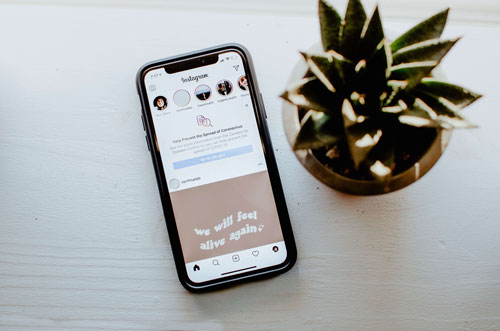
Social media already brings people together, but having GEO tools built in lets businesses fine-tune that connection. Most social platforms, including Instagram, X, and Facebook, allow you to pick who sees each post or ad based on city, ZIP code, or radius around a landmark.
Think of this as only posting flyers where your customers walk every day. If you have a Halloween pop-up shop, you can target nearby parents making trick-or-treat plans. Running a market booth at the town square? Reach out to people who’ve attended similar events or live within walking distance.
Timing helps too. Schedule posts and ads during local happenings—farmer’s markets, school fundraisers, or sports games—so your name comes up when people are looking for something to do. GEO tools pull in users who are in the right place at the right time, giving your content a real-world boost and making each ad dollar count.
Even simple local details (like tagging your neighborhood or showcasing a city landmark) help your business account stand out in busy newsfeeds. These steps make your social posts feel like home to those nearby, while filtering out viewers who are too far away to take action.
SEO and GEO: Making Sure You Show Up Locally
Digital ads are helpful, but many local shoppers start with online searches, especially during busy times like fall. GEO and local SEO work together to get your business on the map when it matters.
If your website talks about being the “best fall décor store in Greenville” or highlights “caramel apples downtown,” it becomes more visible for local searches about fall shopping. Including city names, popular neighborhoods, or even familiar street names helps search engines know your content belongs to someone nearby.
This approach is key in autumn, when everyone wants quick answers and nearby solutions. If someone searches for “gift shop near me” or “dog costume store in town,” your web pages or listings with local phrases are more likely to show up—and get clicked. For small businesses, adding GEO detail to site copy, blog posts, and headlines can help you capture more seasonal traffic just before the holidays.
Services such as local SEO management, which nextMEDIA offers, are designed to keep your business details accurate and up to date on platforms like Google Business Profile, making it easy for customers to find store hours, directions, and fresh updates right in their search results.
How GEO Email and Analytics Can Help You Improve
GEO targeting isn’t just for ads or web content. Even email campaigns can feel more personal and effective when grouped by location. Sending emails tailored to different neighborhoods lets each message speak to something specific—maybe a block party, a store event happening soon, or an area-only offer.
Localizing emails increases the chance that someone opens, reads, and responds to what you send rather than quickly hitting delete. It gives your emails a direct and friendly feel by talking about things that really happen around your readers.
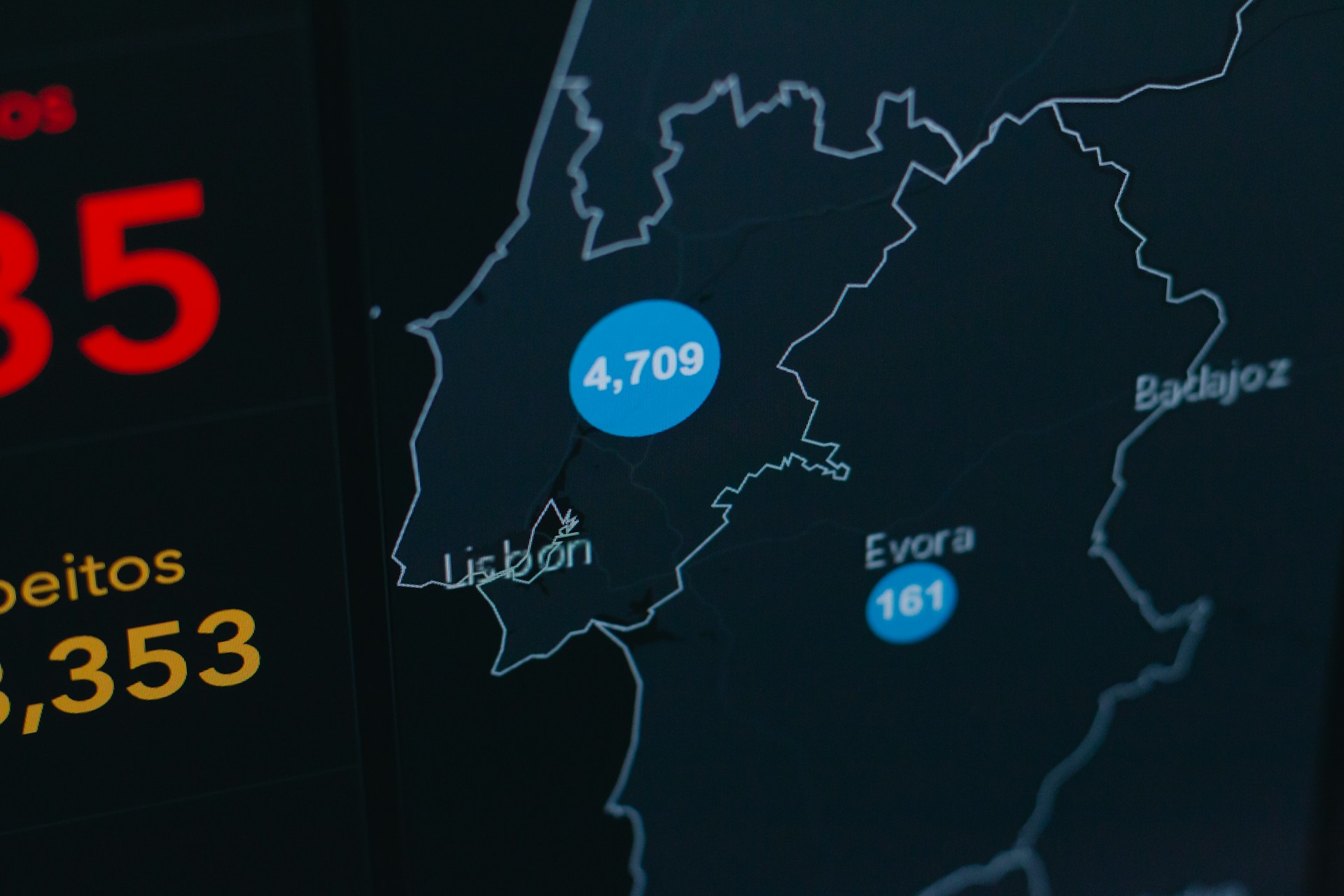
Analytics tools make it easy to track which messages work best. With GEO data, you can spot which ZIP codes bring in the most clicks or visits. This feedback helps you focus energy and future promotions on communities that are already engaged, improving your results without much extra effort.
By combining map-based analytics and smart audience grouping—services supported by nextMEDIA—small businesses can see a clear path from digital outreach to in-person visits and sales, all with a few data-driven tweaks.
Help More Local Eyes Land on You This Fall
GEO tools work quietly in the background, but the changes they create are anything but silent. As fall transitions into the holiday rush, small businesses have a great opportunity to stand out by thinking locally at every step.
Using GEO in digital ads, website updates, social posts, and email campaigns brings your business closer to home for the people who matter most—your neighbors. When each step is planned with GEO in mind, you’re not tossing information into the breeze and seeing where it lands. Instead, you’re connecting your store with real people, right where they’re looking.
This season, focusing your digital marketing around your community could be the tipping point that helps people find what they need—the moment they need it. And for a small business, that kind of connection can make all the difference.
Planning to use location targeting this season? We can help. At nextMEDIA, we guide small businesses through smart digital steps that connect them with customers nearby. From fall-themed ad campaigns to email outreach and local SEO, it all starts with a clear plan. See how our digital marketing agency services can support your next move.